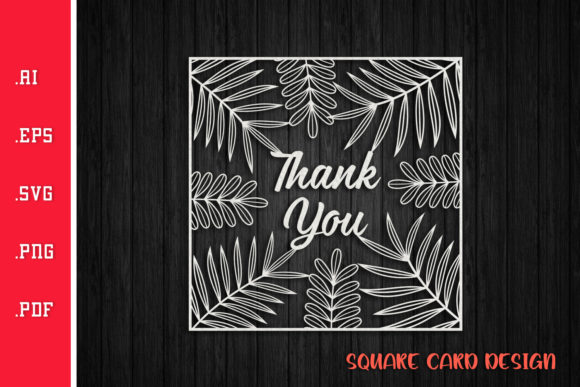
Thanks Card SVG: A Versatile Graphic Design Asset for Crafts and Digital Publishing
First Impressions of Thanks Card SVG
As an experienced blog designer, the first thing that struck me about Thanks Card SVG is its clean, modern aesthetic. The design feels both professional and approachable, which makes it ideal for a wide range of content niches. It carries a warm, friendly vibe that's perfect for lifestyle-focused blogs, creative marketplaces, or even small business branding efforts.
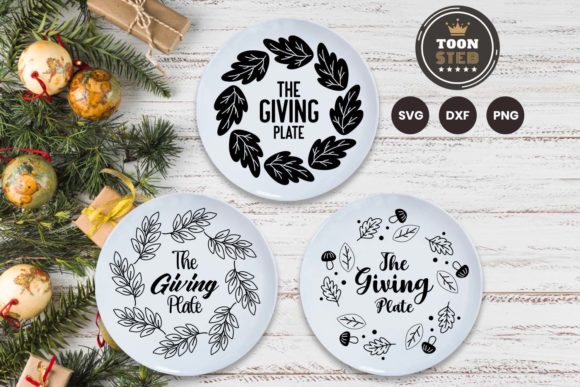
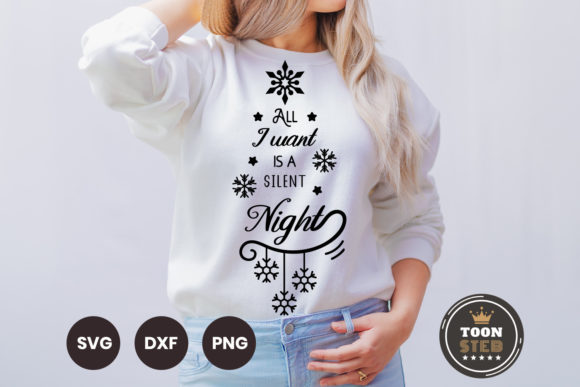
The visual mood created by this graphic design asset leans toward the artistic and decorative, with subtle details that add personality without overwhelming the viewer. This kind of design can support content that needs to feel personal, like thank-you notes, appreciation posts, or customer service pages. It’s also well-suited for seasonal campaigns around holidays or special events.
Real Publishing Use Cases for Thanks Card SVG
Thanks Card SVG opens up a variety of real publishing opportunities. Here are some practical applications where this graphic design asset shines:
- Blog Featured Images: As a header for gratitude-themed posts, this design can create a stronger first impression and improve reader engagement.
- Pinterest Graphics: The visual appeal of this design makes it perfect for Pinterest pins, especially when used in lifestyle or crafting communities.
- Newsletter Headers: When used as a newsletter banner, it adds a touch of personality while reinforcing brand identity.
- Digital Guides & Worksheets: Incorporating this design into downloadable resources enhances their visual appeal and makes them more shareable.
- Social Media Previews: Its versatility allows it to be adapted for social media posts, improving click-through rates and visual consistency across platforms.
- Canva Templates: Designers can use this asset to build custom templates, making it a valuable addition to any creative toolkit.
Supporting Content Performance with Thanks Card SVG
When integrated thoughtfully into a website or editorial layout, Thanks Card SVG can significantly enhance content performance. Its polished look helps establish a stronger visual hierarchy, guiding readers’ attention effectively. This leads to better click-through potential, improved brand recognition, and increased reader trust.
For bloggers, affiliate marketers, and digital publishers, having a consistent visual identity is crucial. This design asset contributes to that consistency, ensuring that all content elements—whether featured images, banners, or lead magnets—look cohesive and professional. This level of polish can make a big difference in how content is perceived, especially on monetized websites or paid content products.
Where Thanks Card SVG Works Best
This graphic design asset works particularly well in the following areas:
- Hero Images: Used as a hero section background, it adds a welcoming and artistic tone to landing pages.
- Article Thumbnails: When optimized, it becomes an eye-catching thumbnail that improves search visibility and click-through rates.
- Pinterest Pins: Its vibrant yet balanced style is ideal for creating engaging Pinterest graphics that stand out in feeds.
- Editorial Accents: As a subtle accent in blog layouts, it reinforces the editorial tone without overpowering the content.
- Content Upgrades: Incorporated into lead magnets or free downloads, it elevates the perceived value of the resource.
- Category Visuals: It helps distinguish sections of a website, making navigation easier and more intuitive for readers.
Where to Use Thanks Card SVG with Caution
While Thanks Card SVG is versatile, there are scenarios where it may not be the best fit. For example, using it in small mobile thumbnails could cause the design to lose clarity. Similarly, pairing it with text-heavy blog images might reduce readability. It's also worth noting that this design may not align well with serious professional niches or corporate content where minimalism is preferred.
Additionally, when working with low-contrast backgrounds or busy layouts, the design might become visually distracting. Always test it in different contexts to ensure it complements the overall editorial strategy and doesn’t overshadow the message.
Practical Publisher Notes for Using Thanks Card SVG
To get the most out of Thanks Card SVG, here are some practical tips:
- Test on Desktop and Mobile: Ensure the design looks good across all screen sizes before finalizing it for publication.
- Check Thumbnail Quality: Preview it as a thumbnail to see if it maintains its visual impact at smaller sizes.
- Preview in Real Layouts: Place it within your blog or website layout to assess how it interacts with other elements.
- Test with Headline Text: Confirm that the design pairs well with various headline styles and font choices.
- Review Contrast and Readability: Make sure the colors and typography work together for maximum readability.
- Try in Black and White: See if the design still holds up without color, which can help determine its versatility.
- Test with Different Fonts: Pair it with serif, sans-serif, script, handwritten, and display fonts to find the best match.
- Review File Size: Optimize the SVG and PNG files for web performance, especially if you're using them on high-traffic sites.
- Confirm Commercial Licensing: Always verify that the design has a commercial license before using it on monetized websites, affiliate pages, or paid content products.
Final Thoughts on Thanks Card SVG
In conclusion, Thanks Card SVG is a valuable graphic design asset that can elevate the visual quality of blogs, websites, and digital marketing materials. Whether you're designing for a creative marketplace, building content for affiliate marketing, or enhancing small business branding, this design offers flexibility and professionalism.
Its availability in AI, EPS, PDF, SVG, and transparent PNG formats ensures that it can be used across multiple platforms and purposes, from print to digital. With thoughtful application, Thanks Card SVG can transform ordinary content into something that stands out, resonates with readers, and supports your editorial and marketing goals effectively.